Night Shift Coverage Without Thinning the Crew
Practical ways warehouses keep night bands safe and workable when volume spikes after dark.
Practical ways warehouses keep night bands safe and workable when volume spikes after dark.
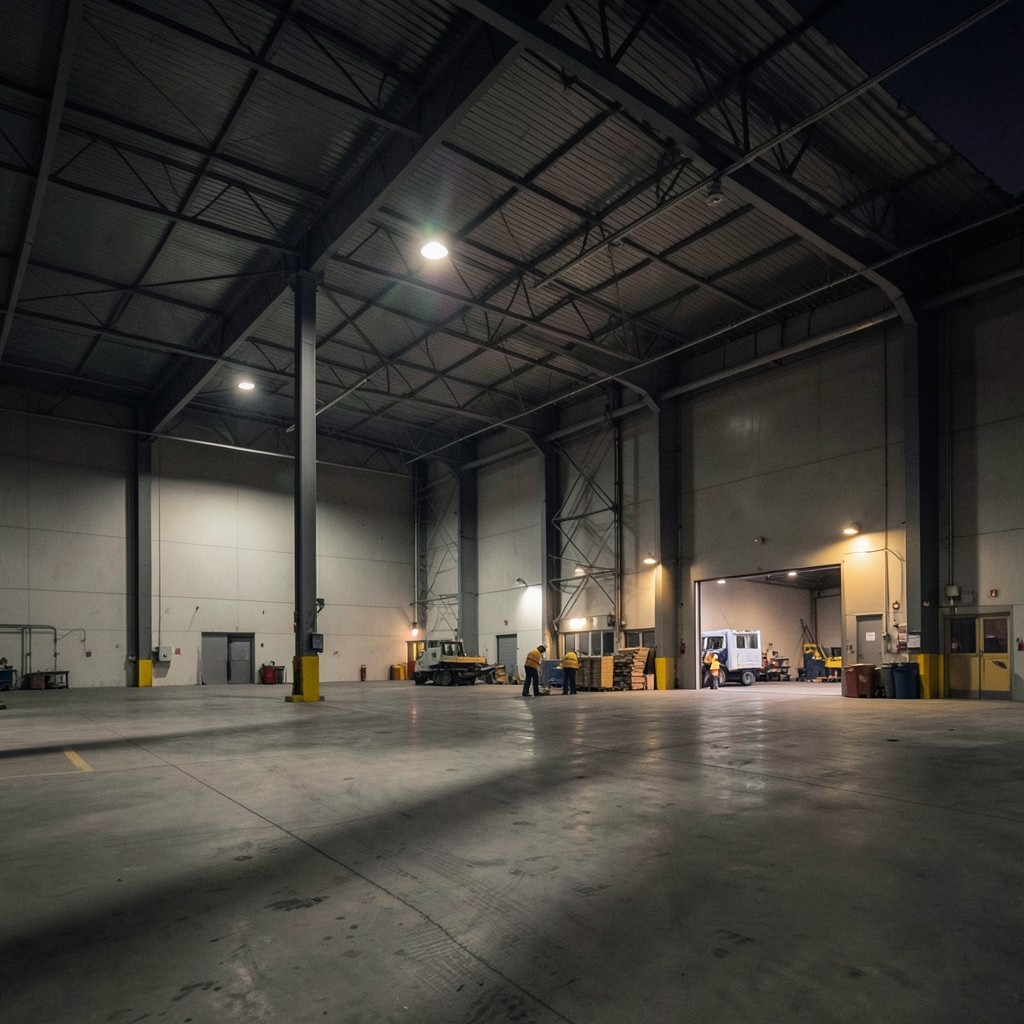
Night receiving and pick bands fail differently than day shifts. Volume can arrive in bursts after dark, safety rules limit how thin a crew can run, and the same reliable people get called back until they burn out. Spreadsheet averages hide those bursts because they smooth the hour where three trucks land at once.
Coverage reviews for warehouses look at dock appointments, actual arrival variance, and which roles must stay paired. A thin 02:00–06:00 band might look acceptable on headcount until you notice forklift and checker must move together. Adding a float role for that band — rather than stretching day people into a second night — keeps both safety and throughput.
If your night band keeps losing picks or accruing fatigue overtime, a labor coverage review can name the gap without rewriting the entire weekly template.